
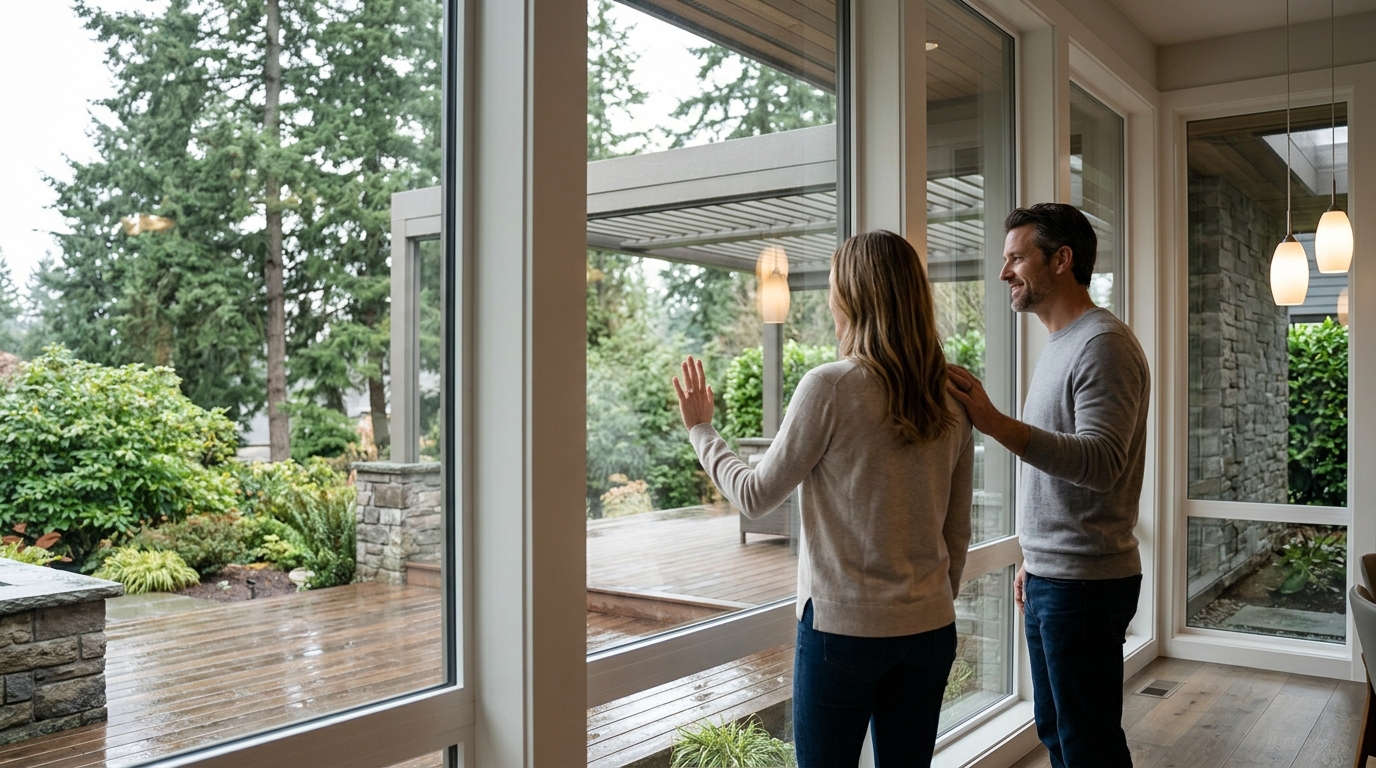
Homeowners in the Pacific Northwest face unique weather challenges that demand high-performance glazing solutions. According to the U.S. Department of Energy, windows account for 25 to 30 percent of residential heating and cooling energy use. This statistic highlights why selecting the right replacement windows is not merely an aesthetic choice but a critical infrastructure investment. At Arkawindowsdoors, we analyze local climate data to recommend solutions that withstand heavy rainfall and temperature fluctuations while maximizing energy efficiency. (Contact Us)
Vinyl vs. Aluminum Frames
The first major decision involves the frame material. Vinyl and aluminum are the two most common choices for residential replacements, each offering distinct advantages depending on your home's architectural style and performance needs.
Vinyl Frame Characteristics
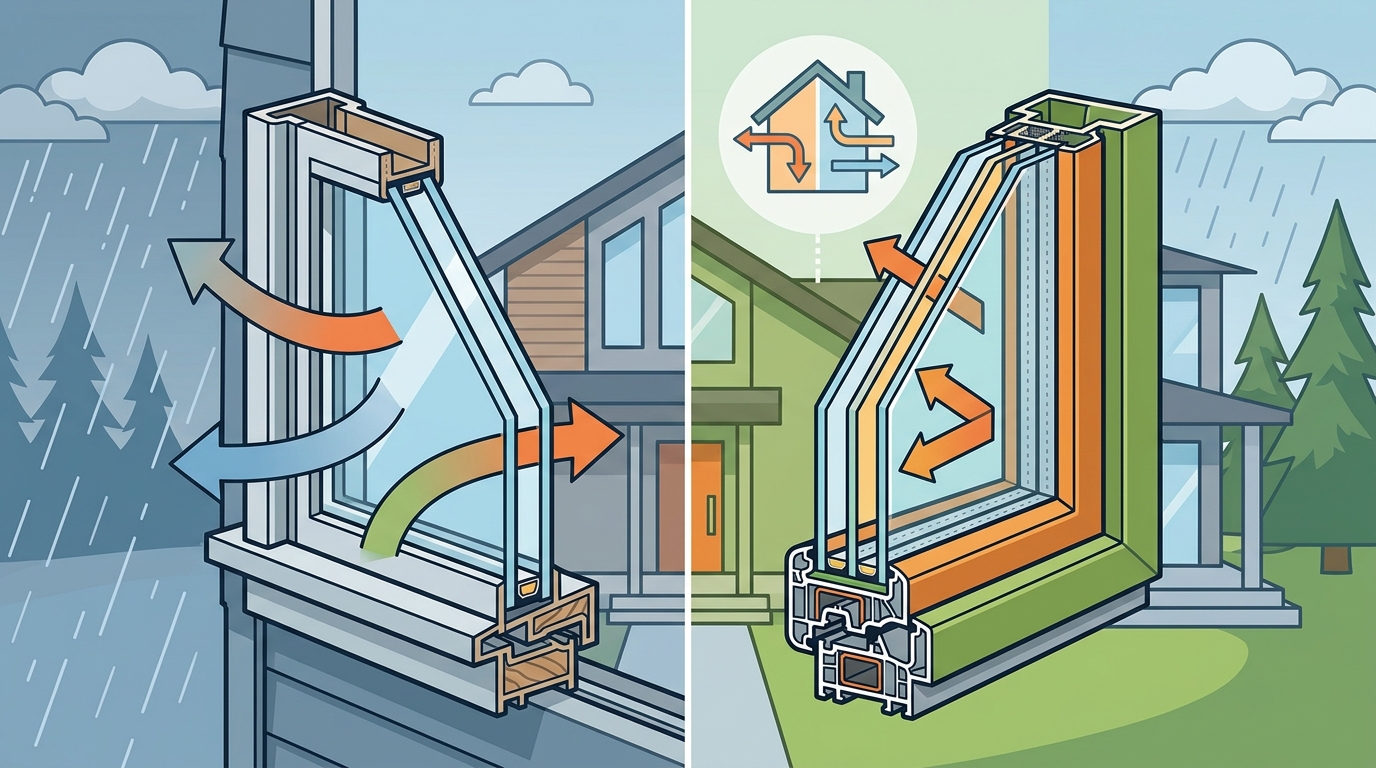
Vinyl is the dominant material in the modern replacement market due to its superior thermal insulation properties. Vinyl is a synthetic polymer made from polyvinyl chloride (PVC) that provides excellent resistance to moisture and rot. This makes it particularly suitable for the damp climates found in regions like Washington State. The material requires minimal maintenance, as it does not need painting or sealing to prevent corrosion. Furthermore, vinyl frames are inherently non-conductive, which reduces the risk of condensation forming on the interior surface during cold winters.
Aluminum Frame Characteristics
Aluminum frames offer a sleek, modern aesthetic with slim profiles that maximize glass area. Aluminum is a lightweight metal that provides high structural strength and durability. While traditionally less insulating than vinyl, modern thermal-break aluminum technology has significantly improved its energy performance. These frames are ideal for contemporary homes where large windows and clean lines are prioritized. However, aluminum is more susceptible to condensation in extreme cold unless specifically engineered with thermal breaks. (About)
Single vs. Double Hung Designs
Once the frame material is selected, the operational style of the window becomes the next critical comparison point. The choice between single and double hung windows affects ventilation, cleaning ease, and safety.
Double Hung Windows
Double hung windows feature two sashes that both move vertically. This design allows for top-down ventilation, which is a safer option for homes with children or pets. The ability to tilt sashes inward is a significant advantage for cleaning exterior glass from the safety of the interior. This feature is highly valued by homeowners in multi-story homes where exterior access is difficult. Double hung windows are versatile and fit a wide range of architectural styles, from traditional to modern.
Single Hung Windows
Single hung windows have a fixed upper sash and a moving lower sash. This configuration is generally more cost-effective than double hung options. Single hung windows are often used in smaller spaces or where ventilation requirements are lower. While they are durable and simple, they lack the cleaning convenience of tilt-in sashes. Homeowners must use ladders or professional services to clean the exterior glass, which can add to long-term maintenance costs.
Glass and Insulation Technologies
The glass unit itself is the heart of the window's performance. Comparing different glass options reveals significant differences in energy efficiency and comfort.
Double vs. Triple Pane Glass
Double pane glass consists of two sheets of glass separated by a spacer and filled with insulating gas. Triple pane glass adds a third sheet and an additional layer of gas, providing higher R-values. According to Energy Star, triple pane windows can reduce energy bills by up to 12 percent compared to double pane units in cold climates. The additional pane also offers superior sound dampening, which is beneficial for homes near busy roads or airports. However, triple pane windows are heavier and more expensive, requiring stronger frames to support the weight.
Low-E Coatings and Gas Fills
Low-emissivity (Low-E) coatings are microscopic metallic layers that reflect infrared light. Low-E coatings are essential for maintaining indoor temperatures by reflecting heat back into the room during winter. Argon or krypton gas fills between the panes further reduce heat transfer. These gases are denser than air, creating a more effective thermal barrier. The combination of Low-E coatings and gas fills is standard in high-performance windows and is crucial for meeting modern building codes.
Cost Analysis and ROI
Understanding the financial implications of window replacement is vital for budgeting. Costs vary based on material, size, and installation complexity.
| Window Type | Estimated Cost Per Unit | Lifespan | Primary Benefit |
|---|---|---|---|
| Vinyl Double Hung | $300 - $600 | 20-40 years | Low maintenance, high insulation |
| Aluminum Thermal-Break | $400 - $800 | 25-35 years | Slim profile, modern aesthetic |
| Triple Pane Glass | $500 - $1,000+ | 25-30 years | Maximum energy efficiency |
| Custom Wood Clad | $600 - $1,200+ | 30-50 years | Premium aesthetics, durability |
The return on investment (ROI) for window replacement is typically realized through energy savings and increased property value. While the upfront cost is significant, the reduction in heating and cooling bills can offset the expense over time. Additionally, new windows are a top priority for home buyers, often increasing resale value by 70 to 80 percent of the project cost.
The Installation Process
Proper installation is as important as the window product itself. Poor installation can negate the benefits of even the most expensive windows.
Full-Frame vs. Pocket Installation
Full-frame installation involves removing the old window, sill, and trim down to the rough opening. This method allows for inspection of the surrounding structure and application of new flashing. Pocket installation, also known as a retrofit, places the new window into the existing frame. This method is faster and less expensive but does not address rot or damage in the existing frame. For homes with significant water damage or rot, full-frame replacement is the only viable option.
Sealing and Insulation
Professional installers use high-quality foams and tapes to seal gaps between the window frame and the wall. Proper sealing prevents air infiltration and water intrusion. At Arkawindowsdoors, we adhere to strict industry standards to ensure a weather-tight seal. This attention to detail ensures that the window performs as designed for its entire lifespan.
Key Takeaways
- Vinyl frames offer superior insulation and low maintenance, making them ideal for the Pacific Northwest climate.
- Aluminum frames provide a modern aesthetic with slim profiles but require thermal-break technology for efficiency.
- Double hung windows allow for better ventilation and easier interior cleaning compared to single hung options.
- Triple pane glass and Low-E coatings significantly reduce energy loss and improve sound dampening.
- Full-frame installation is necessary for homes with existing frame rot or structural damage.
- New windows can increase home resale value by 70 to 80 percent of the installation cost.
- Proper sealing and flashing are critical to prevent water intrusion and air leaks.
Frequently Asked Questions
How long does window replacement take?
A typical residential window replacement project can be completed in one to three days, depending on the number of windows and the complexity of the installation.
Are new windows tax deductible?
Energy-efficient windows may qualify for federal tax credits under current energy conservation incentives. Homeowners should consult a tax professional for specific eligibility details.
What is the best time of year to install windows?
Windows can be installed year-round, but mild weather conditions in spring and fall often allow for easier handling of materials and sealants.
Do I need permits for window replacement?
Permit requirements vary by local jurisdiction. In many areas, like-for-like replacements do not require permits, but structural changes do.
How do I choose between double and triple pane glass?
Triple pane is recommended for colder climates or for homes seeking maximum noise reduction. Double pane is sufficient for moderate climates and offers a lower cost point.
What is the lifespan of vinyl windows?
High-quality vinyl windows typically last between 20 and 40 years with minimal maintenance.
Can I install windows myself?
While DIY installation is possible, professional installation ensures proper sealing, flashing, and warranty validity. Improper installation can lead to water damage and voided warranties.
Schedule Your Consultation
Choosing the right windows is a significant decision that impacts your home's comfort, efficiency, and value. At Arkawindowsdoors, we provide expert guidance to help you navigate these options. Our team is dedicated to delivering high-quality products and professional installation services tailored to your specific needs. Contact us today to schedule a free consultation and discover how our windows can transform your home.