
Essential Features and Standards for Premium Zero Edge Sliding Glass Doors in California
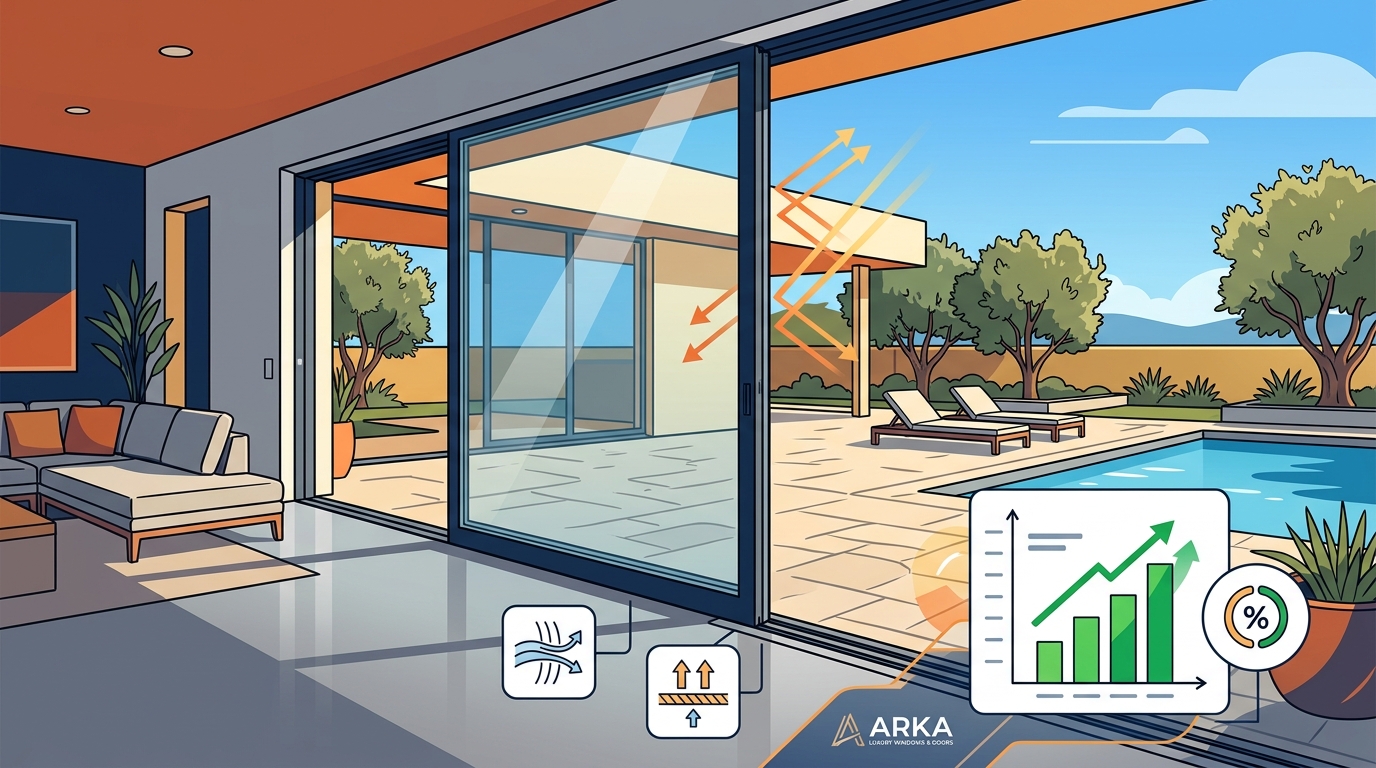
The architectural landscape of California is defined by its seamless integration of indoor and outdoor living spaces. Recent industry data indicates that high-performance sliding glass doors can increase a property's overall energy efficiency by up to 30% compared to traditional window setups. This statistic highlights why homeowners and builders are increasingly prioritizing zero edge sliding glass doors as a foundational element of modern design. These systems do more than just provide a view; they act as a critical thermal barrier against the state's diverse climate zones, from the humid coast to the arid desert. Understanding the specific engineering standards required for these installations is essential for ensuring longevity, security, and aesthetic perfection.
Understanding Zero Edge Design Mechanics
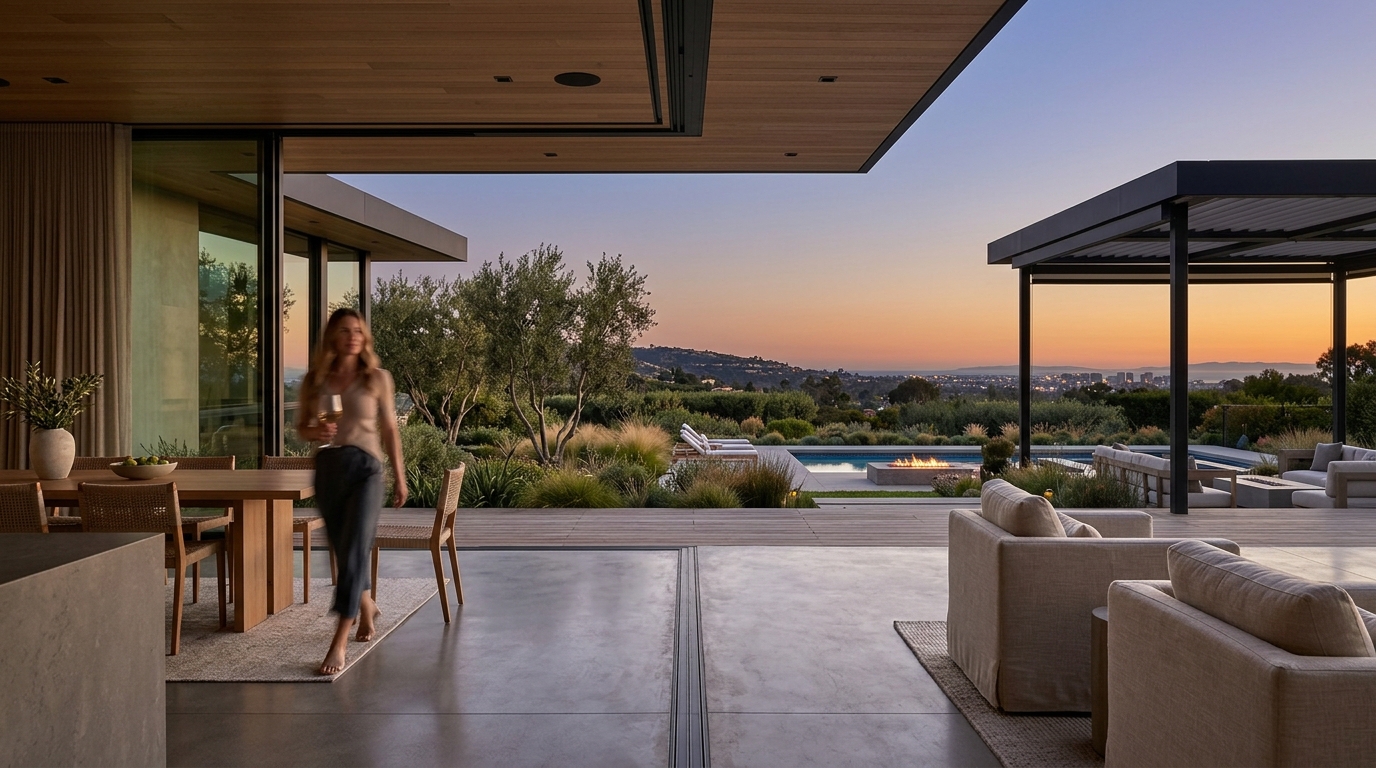
Zero edge sliding glass doors represent the pinnacle of modern architectural engineering. The term zero edge refers to the minimal visible frame profile when the door is in the closed position. This design choice eliminates visual clutter, allowing the glass to appear as a continuous plane. The result is an unobstructed view that maximizes natural light penetration.
Traditional sliding doors often feature bulky frames that interrupt the sightline. In contrast, premium zero edge systems utilize concealed tracks and reinforced sashes. This construction method allows for larger glass panels without compromising structural integrity. The engineering behind these doors requires precise tolerances to ensure smooth operation despite the weight of the glass.
At Arkaw Windows Doors, we specialize in systems that prioritize both aesthetic minimalism and functional performance. The zero edge design is not merely a stylistic choice but a structural one. It demands high-quality materials to prevent warping or sagging over time. Homeowners seeking a true zero edge experience must look for systems with concealed bottom tracks and reinforced corner joints.
California Compliance and Energy Codes
California enforces some of the strictest building energy codes in the United States. The state's Title 24 standards require specific U-factor and SHGC (Solar Heat Gain Coefficient) ratings for all new window and door installations. These regulations are designed to reduce energy consumption and mitigate the urban heat island effect.
For sliding glass doors, compliance means selecting glass packages that reflect solar heat while allowing visible light to pass through. In southern California, a lower SHGC is critical to prevent overheating. Conversely, in northern regions, a higher SHGC can help passively heat homes during winter months. Ignoring these codes can result in failed inspections and costly retrofits.
According to the California Energy Commission, buildings that meet the latest Title 24 standards can reduce energy costs by up to 36%. This data underscores the financial and environmental benefits of compliant installations. Visit the official energy standards page for detailed compliance charts. Architects and homeowners must work with installers who understand these nuances to ensure seamless approval.
Material Specifications for Durability
The longevity of zero edge sliding doors depends heavily on the materials used in their construction. Premium systems typically utilize thermally broken aluminum frames. This design feature separates the interior and exterior aluminum profiles with a non-conductive barrier. The result is a frame that resists heat transfer and condensation.
Aluminum is preferred for its strength-to-weight ratio. It allows for slender profiles that enhance the zero edge aesthetic. However, not all aluminum is created equal. High-grade alloys, such as those meeting ASTM standards, offer superior resistance to corrosion and deformation. This is particularly important in coastal areas where salt air can accelerate wear.
Wood-clad options are also available for those seeking a traditional interior finish. These systems combine the durability of aluminum on the exterior with the warmth of wood on the interior. The Architectural Woodwork Institute provides guidelines on wood durability in various climates. Regardless of the material, the finish must be UV-resistant to prevent fading and chalking. This ensures the doors maintain their appearance for decades.
Glass Engineering and Insulation
Glass engineering is the heart of any high-performance sliding door system. Triple-pane glass is becoming the standard for premium installations in California. This configuration consists of three layers of glass with two insulating gas-filled spaces. The gas, typically argon or krypton, provides superior insulation compared to air.
Low-E (low emissivity) coatings are essential for these glass packages. These microscopic metallic layers reflect infrared heat while allowing visible light to pass through. In summer, the coating reflects solar heat away from the home. In winter, it reflects interior heat back inside. This dual action significantly reduces the load on HVAC systems.
Interlayer options such as PVB (polyvinyl butyral) or SGP (ionoplast) add safety and acoustic benefits. SGP interlayers are stiffer than PVB, providing better sound dampening and impact resistance. For homes near busy roads or in high-wind zones, laminated glass is a prudent choice. The Glazing Association offers resources on glass performance metrics. Understanding these specifications ensures you select the right glass for your specific environmental challenges.
Hardware and Security Standards
Premium sliding doors must offer robust security without sacrificing ease of use. The hardware system includes rollers, locks, and handles. High-quality rollers are critical for smooth operation. They must support the weight of the glass panel without excessive effort.
Multi-point locking systems are the industry standard for security. These locks engage at multiple points along the frame, making forced entry significantly more difficult. Some systems offer keyless entry options for added convenience. The handles should be ergonomic and durable, often made from solid brass or stainless steel.
Impact resistance is another key security feature. In areas prone to hurricanes or severe storms, impact-rated doors are required. These doors are tested to withstand projectile impacts and high wind pressures. FEMA guidelines provide detailed information on impact-resistant construction. Choosing a door with certified impact ratings protects your home and potentially lowers insurance premiums.
Installation Critical Factors
Even the best sliding doors will fail if installed incorrectly. Proper installation requires precise leveling, shimming, and sealing. The rough opening must be square and plumb to accommodate the door frame. Any deviations can lead to operational issues or air leaks.
Weatherproofing is essential for preventing water intrusion. High-quality flashing and sealants must be applied around the perimeter of the door. The drainage system must be clear to allow any incidental water to escape. Improper drainage can lead to rot, mold, and structural damage.
Professional installation ensures that the door operates smoothly and efficiently. Arkaw Windows Doors employs certified installers who follow manufacturer specifications rigorously. They conduct thorough inspections to verify alignment and seal integrity. This attention to detail guarantees that the door performs as designed for years to come.
Key Takeaways
- Zero edge sliding doors minimize frame visibility, maximizing natural light and views.
- California Title 24 codes mandate specific energy performance ratings for all installations.
- Thermally broken aluminum frames prevent heat transfer and condensation.
- Triple-pane glass with Low-E coatings offers superior insulation and UV protection.
- Multi-point locking systems provide enhanced security against forced entry.
- Impact-resistant glass is crucial for homes in storm-prone coastal regions.
- Professional installation is vital for ensuring proper sealing and operational longevity.
Frequently Asked Questions
What is the difference between a zero edge and a standard sliding door?
A zero edge sliding door features a minimal frame profile that disappears when closed, creating a seamless glass wall. Standard sliding doors have visible frames that interrupt the view. Zero edge systems use concealed tracks and reinforced sashes for a cleaner aesthetic.
Are zero edge sliding doors energy efficient?
Yes, when equipped with proper glass packages and thermally broken frames. Premium zero edge doors can meet or exceed California Title 24 energy standards. Features like Low-E coatings and argon gas fillage significantly improve insulation.
How do I maintain zero edge sliding glass doors?
Regular cleaning of the glass and tracks is essential. Use a soft cloth and mild detergent for the glass. For the tracks, vacuum debris and wipe with a damp cloth. Lubricate the rollers annually with a silicone-based lubricant to ensure smooth operation.
Can zero edge doors be used in high-wind areas?
Yes, but they must be specifically engineered and certified for high-wind zones. Impact-resistant glass and reinforced frames are required. These doors undergo rigorous testing to ensure they can withstand hurricane-force winds and debris impact.
What is the typical lifespan of a premium sliding glass door?
With proper maintenance, a high-quality zero edge sliding door can last 20 to 30 years or more. The hardware may require replacement sooner, typically every 10 to 15 years, depending on usage. The glass and frame, if made from durable materials, will outlast the hardware.
Do zero edge doors offer good security?
Premium zero edge doors offer excellent security when equipped with multi-point locking systems and impact-resistant glass. The concealed tracks and reinforced frames make them difficult to force open. Always choose doors with certified security ratings.
How much do zero edge sliding doors cost?
The cost varies based on size, materials, and glass options. Generally, zero edge doors are more expensive than standard sliding doors due to their complex engineering. However, the added value in aesthetics and energy savings often justifies the investment.
Schedule Your Consultation
Transform your home with the elegance and performance of premium zero edge sliding glass doors. At Arkaw Windows Doors, we provide expert guidance and superior installation services tailored to California's unique architectural needs. Contact us today to schedule a consultation and discover how our doors can enhance your living space.