
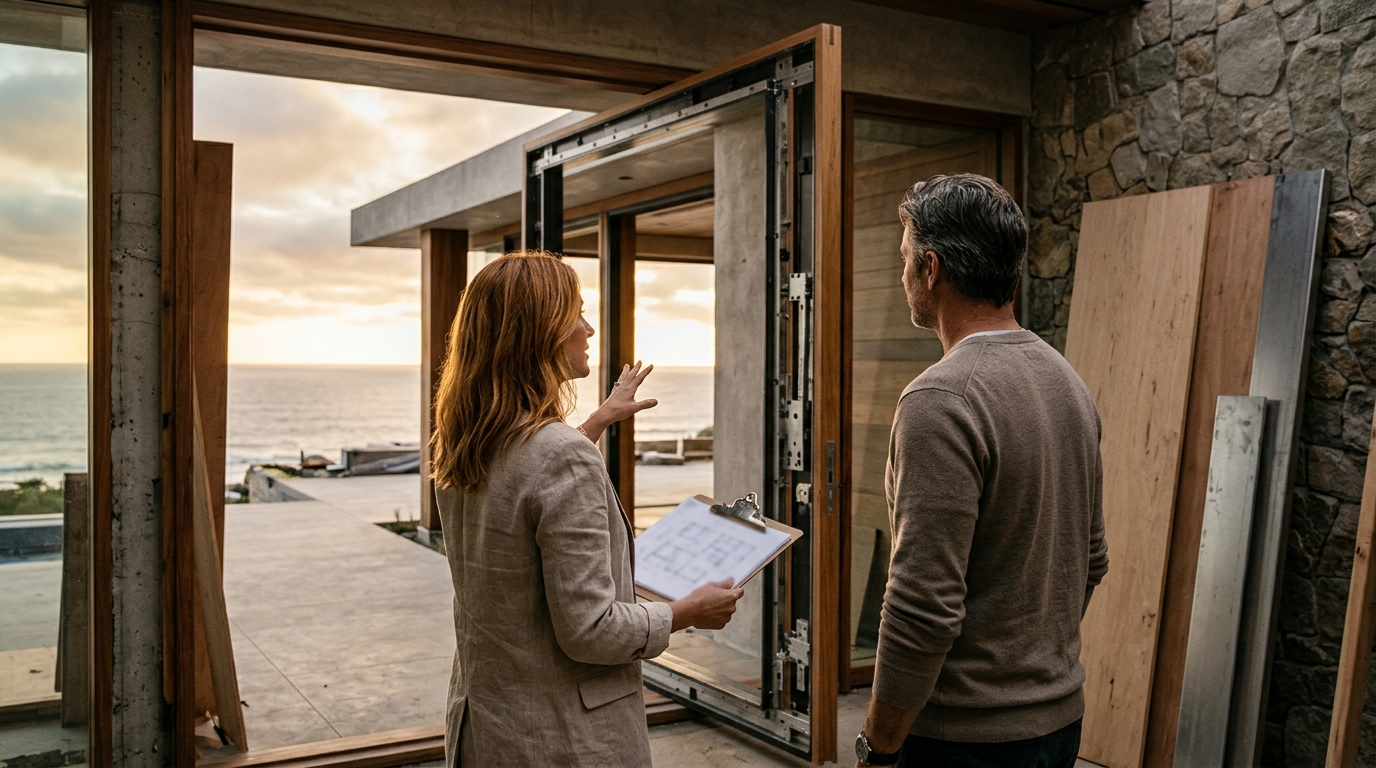
Several critical variables determine the final cost of a custom pivot door in California, including material selection, structural dimensions, and hardware complexity. The specific architectural requirements of your home, such as the need for oversized glass or specialized finishes, directly influence the manufacturing and installation expenses. Understanding these factors helps homeowners and architects budget accurately for high-end entryways.
Material Selection and Frame Construction
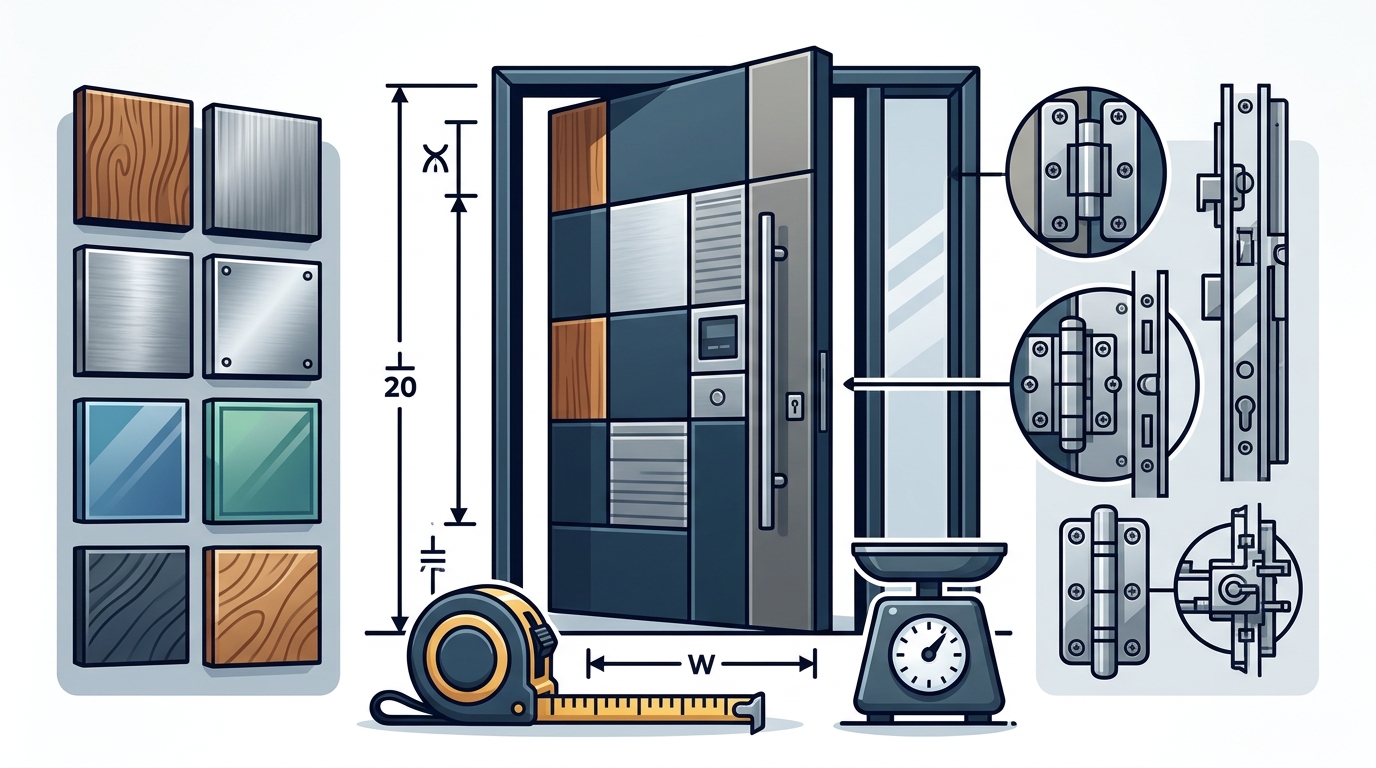
The primary driver of pivot door pricing is the choice of frame material. Thermal break aluminum is a premium material that provides superior insulation and durability, making it a popular choice for California homes. This material is significantly more expensive than standard vinyl or wood but offers better energy efficiency and resistance to the coastal climate. The specific alloy and the thickness of the frame profile also impact the cost, as heavier profiles are required to support larger glass panels.
Wood and wood-aluminum clad systems offer a different aesthetic and price point. These materials provide natural beauty and excellent thermal performance but require more maintenance. The choice between a fully aluminum frame and a clad wood frame depends on the desired look and the level of protection needed against weathering. Each material has its own manufacturing process, which affects the final price.
Dimensions and Structural Weight
Pivot doors are often larger and heavier than standard hinged doors, which increases their cost. The weight of the door leaf is a critical factor because it dictates the type of hardware required. A standard pivot door might weigh a few hundred pounds, but a custom oversized door can weigh significantly more. Heavier doors require more robust structural support and specialized engineering to ensure smooth operation and safety.
The dimensions of the door also play a role in pricing. Larger doors require more glass and frame material, which increases the base cost. Additionally, the complexity of the installation process for oversized doors can lead to higher labor costs. Homeowners should consider the size of their entryway and the desired visual impact when budgeting for a pivot door.
Hardware and Security Features
The hardware used in a pivot door is a significant cost component. High-quality pivot hardware is designed to support the weight of the door and provide smooth, quiet operation. The type of pivot mechanism, such as a floor-mounted or wall-mounted system, affects the price. More advanced hardware systems often include features like soft-close mechanisms and multi-point locking systems, which enhance security and convenience.
Security features are another important consideration. Multi-point locking systems provide additional protection by securing the door at multiple points along the frame. These systems are more expensive than standard single-point locks but offer greater peace of mind. The choice of hardware should align with the overall security needs of the home and the specific requirements of the pivot door design.
Finishes and Customization Options
The finish of the pivot door can significantly impact its price. Standard finishes are usually included in the base price, but custom colors and special coatings can add to the cost. Premium finishes, such as powder coating or anodizing, provide better durability and a wider range of color options. The complexity of the finish, including the number of coats and the type of paint used, affects the manufacturing time and cost.
Customization options, such as unique shapes or integrated glass designs, also influence the price. These features require additional design and manufacturing work, which increases the overall cost. Homeowners should consider the aesthetic goals of their project and the level of customization they desire when budgeting for a pivot door.
Installation and Location-Specific Costs
The installation process for a pivot door can be more complex than for standard doors, leading to higher labor costs. The location of the home within California can also affect the price, as shipping and installation costs vary by region. Homes in remote or hard-to-reach areas may incur additional fees for transportation and specialized equipment. The complexity of the installation, including the need for structural modifications, also impacts the final cost.
Working with a reputable installer is essential to ensure the door is installed correctly and functions as intended. A professional installation team will assess the site, prepare the opening, and install the door with precision. The cost of installation should be considered as part of the overall budget for the project.
Key Takeaways
- Material selection, such as thermal break aluminum, is a primary cost driver.
- Larger and heavier doors require more robust hardware and engineering.
- High-quality hardware and security features add to the overall price.
- Custom finishes and unique designs increase manufacturing costs.
- Installation complexity and location-specific factors affect labor costs.
- Working with a reputable provider ensures proper installation and long-term performance.
Frequently Asked Questions
What is the most expensive part of a custom pivot door?
The hardware and structural engineering are often the most expensive components. High-quality pivot mechanisms and multi-point locking systems are designed to support heavy doors and provide superior security, which adds to the cost.
How does the size of the door affect the price?
Larger doors require more material and more robust hardware to support their weight. The increased size and weight also lead to higher manufacturing and installation costs.
Are custom finishes significantly more expensive?
Yes, custom finishes can add to the cost. Premium coatings and unique colors require additional manufacturing steps, which increases the price compared to standard finishes.
What is the difference between a pivot door and a hinged door?
A pivot door rotates around a central axis, while a hinged door swings on side-mounted hinges. Pivot doors are often larger and heavier, requiring specialized hardware and engineering.
How long does it take to install a custom pivot door?
Installation time varies based on the complexity of the project and the size of the door. A professional team will assess the site and provide a timeline during the consultation process.
Conclusion
Understanding the factors that affect the price of custom pivot doors is essential for accurate budgeting. By considering material selection, dimensions, hardware, finishes, and installation costs, homeowners can make informed decisions about their entryway. To discuss your project and receive a detailed quote tailored to your specific needs, contact our team.